• Silage Barrier Film Market: Agricultural Storage Demand, Technology, and Growth Trends
    Modern livestock farming depends on effective forage preservation to maintain feed quality throughout changing seasons. Within this agricultural supply chain, the Silage Barrier Film Market is supported by demand for specialized films that help protect silage from oxygen, moisture, sunlight, and external contamination.

    Silage is fermented forage stored under controlled conditions to preserve nutritional value. Effective sealing is essential because oxygen exposure can promote undesirable biological activity and reduce feed quality. Barrier films are designed to create protective layers over stored forage and help maintain suitable anaerobic conditions.

    Dairy farming is an important source of demand. Dairy producers depend on consistent feed quality because nutrition is closely linked to animal productivity and farm economics. High-quality silage can provide an important source of forage, making efficient storage practices valuable to commercial operations.

    Beef cattle production also contributes to market demand. Large livestock operations often store substantial quantities of forage for use throughout the year. Reliable film systems can help reduce spoilage and protect stored feed from weather-related exposure.

    Film technology continues to evolve. Manufacturers are developing multilayer structures, improved oxygen-barrier properties, enhanced puncture resistance, and greater flexibility. Different film thicknesses and formats may be designed for specific silage-storage methods.

    Ease of installation is another important factor. Agricultural workers need films that can be efficiently deployed over silage piles, bunker silos, wrapped bales, or other storage structures. Film stretchability, tear resistance, adhesion, and handling characteristics can influence product selection.

    Weather resistance is also important. Silage films may be exposed to sunlight, rain, wind, temperature variations, and mechanical stress. Manufacturers therefore focus on ultraviolet resistance and physical durability to support storage performance.

    Sustainability is becoming increasingly relevant. Agricultural plastics have generated greater attention regarding collection and recycling. Film producers are investigating thinner structures, recyclable materials, improved material efficiency, and recovery systems that can reduce waste.

    Agricultural mechanization and commercial livestock production are major market drivers. As farms become larger and more professionally managed, producers may invest in storage technologies that reduce feed losses and improve operational efficiency.

    However, the market faces challenges associated with plastic waste, raw material costs, seasonal demand patterns, and competition among film technologies. Farmers also need dependable supply during harvesting periods when demand can increase rapidly.

    Distribution networks are therefore important. Agricultural suppliers must maintain sufficient inventory and deliver products to farming regions at the appropriate times. Technical support and product guidance can also help customers select suitable film systems.

    Future market development is likely to be influenced by livestock production, forage conservation practices, sustainability initiatives, and advances in polymer technology. Improved barrier performance and recyclable materials could create new opportunities.

    Overall, silage barrier films are an important component of modern forage-preservation systems. Their ability to help protect stored feed makes them relevant to dairy, beef, and other livestock operations seeking efficient feed management.
    Silage Barrier Film Market: Agricultural Storage Demand, Technology, and Growth Trends Modern livestock farming depends on effective forage preservation to maintain feed quality throughout changing seasons. Within this agricultural supply chain, the Silage Barrier Film Market is supported by demand for specialized films that help protect silage from oxygen, moisture, sunlight, and external contamination. Silage is fermented forage stored under controlled conditions to preserve nutritional value. Effective sealing is essential because oxygen exposure can promote undesirable biological activity and reduce feed quality. Barrier films are designed to create protective layers over stored forage and help maintain suitable anaerobic conditions. Dairy farming is an important source of demand. Dairy producers depend on consistent feed quality because nutrition is closely linked to animal productivity and farm economics. High-quality silage can provide an important source of forage, making efficient storage practices valuable to commercial operations. Beef cattle production also contributes to market demand. Large livestock operations often store substantial quantities of forage for use throughout the year. Reliable film systems can help reduce spoilage and protect stored feed from weather-related exposure. Film technology continues to evolve. Manufacturers are developing multilayer structures, improved oxygen-barrier properties, enhanced puncture resistance, and greater flexibility. Different film thicknesses and formats may be designed for specific silage-storage methods. Ease of installation is another important factor. Agricultural workers need films that can be efficiently deployed over silage piles, bunker silos, wrapped bales, or other storage structures. Film stretchability, tear resistance, adhesion, and handling characteristics can influence product selection. Weather resistance is also important. Silage films may be exposed to sunlight, rain, wind, temperature variations, and mechanical stress. Manufacturers therefore focus on ultraviolet resistance and physical durability to support storage performance. Sustainability is becoming increasingly relevant. Agricultural plastics have generated greater attention regarding collection and recycling. Film producers are investigating thinner structures, recyclable materials, improved material efficiency, and recovery systems that can reduce waste. Agricultural mechanization and commercial livestock production are major market drivers. As farms become larger and more professionally managed, producers may invest in storage technologies that reduce feed losses and improve operational efficiency. However, the market faces challenges associated with plastic waste, raw material costs, seasonal demand patterns, and competition among film technologies. Farmers also need dependable supply during harvesting periods when demand can increase rapidly. Distribution networks are therefore important. Agricultural suppliers must maintain sufficient inventory and deliver products to farming regions at the appropriate times. Technical support and product guidance can also help customers select suitable film systems. Future market development is likely to be influenced by livestock production, forage conservation practices, sustainability initiatives, and advances in polymer technology. Improved barrier performance and recyclable materials could create new opportunities. Overall, silage barrier films are an important component of modern forage-preservation systems. Their ability to help protect stored feed makes them relevant to dairy, beef, and other livestock operations seeking efficient feed management.
    0 Comments 0 Shares 138 Views
  • Die nächste Evolutionsstufe des Gartenschlauchs | WIDQ Konzept
    Was wäre, wenn ein Gartenschlauch mehr könnte, als nur Wasser zu liefern?
    • Bodenbedarfsgesteuerte Bewässerung
    • Solarthermatische Wassererwärmung
    • Automatische Nährstoffbeimischung
    Diese zukunftsweisenden Konzepte ebnen den Weg für Produktinnovationen der nächsten Generation.
    https://youtube.com/shorts/6vLeyRXm-Uo
    Interessiert an den Potenzialen? Lassen Sie uns vernetzen und gemeinsam neue Möglichkeiten erschließen!

    #WIDQ #Gartenschlauch #Produktinnovation #Produktdesign #Produktentwicklung #Industriedesign #HardwareStartup #Technologieinnovation #Zukunftstechnologie #B2B
    Die nächste Evolutionsstufe des Gartenschlauchs | WIDQ Konzept Was wäre, wenn ein Gartenschlauch mehr könnte, als nur Wasser zu liefern? • Bodenbedarfsgesteuerte Bewässerung • Solarthermatische Wassererwärmung • Automatische Nährstoffbeimischung Diese zukunftsweisenden Konzepte ebnen den Weg für Produktinnovationen der nächsten Generation. https://youtube.com/shorts/6vLeyRXm-Uo Interessiert an den Potenzialen? Lassen Sie uns vernetzen und gemeinsam neue Möglichkeiten erschließen! #WIDQ #Gartenschlauch #Produktinnovation #Produktdesign #Produktentwicklung #Industriedesign #HardwareStartup #Technologieinnovation #Zukunftstechnologie #B2B
    0 Comments 0 Shares 260 Views
  • Nadic Anhydride Market Develops Through Advanced Resin and Composite Applications
    Specialty anhydrides are important curing agents and chemical intermediates used in advanced polymer systems. The Nadic Anhydride Market is connected to epoxy resins, electrical insulation, composites, adhesives, and other applications requiring durable thermosetting materials.

    According to a recent report by Wise Guys Report, nadic anhydride can be used as a curing component in selected resin systems. Its role in thermoset formulations can contribute to desirable thermal, mechanical, and electrical properties.

    Electrical and electronic applications are important areas of demand. Epoxy systems cured with anhydrides can be used in encapsulation, insulation, and protective applications where resistance to heat and electrical stress is required.

    Composite manufacturing provides another opportunity. Advanced composite materials are used in transportation, energy, construction, and industrial equipment. Resin systems must provide appropriate strength, durability, and processing characteristics.

    Industrial coatings and adhesives can also contribute to demand. Thermosetting systems are valued for their ability to form durable networks after curing, making them useful in demanding environments.

    Manufacturing technology continues to influence product development. Resin formulators seek curing systems that offer appropriate processing times, temperature requirements, mechanical properties, and long-term stability.

    The market is also influenced by renewable-energy technologies. Composite components are increasingly used in applications such as wind-energy equipment, where lightweight and durable materials are required.

    Asia-Pacific offers substantial opportunities due to electronics manufacturing, industrial production, automotive development, and composite-material manufacturing. North America and Europe also have established markets for advanced polymers and specialty chemicals.

    Challenges include raw-material costs, handling requirements, regulatory considerations, and competition from alternative curing agents. Formulation compatibility is another important consideration because curing agents must work effectively with specific resin systems.

    Future market development will be influenced by advanced composites, electronics, electrical insulation, renewable energy, and specialty polymer innovation. Suppliers capable of maintaining consistent chemical quality can support the evolving needs of high-performance resin manufacturers.
    Nadic Anhydride Market Develops Through Advanced Resin and Composite Applications Specialty anhydrides are important curing agents and chemical intermediates used in advanced polymer systems. The Nadic Anhydride Market is connected to epoxy resins, electrical insulation, composites, adhesives, and other applications requiring durable thermosetting materials. According to a recent report by Wise Guys Report, nadic anhydride can be used as a curing component in selected resin systems. Its role in thermoset formulations can contribute to desirable thermal, mechanical, and electrical properties. Electrical and electronic applications are important areas of demand. Epoxy systems cured with anhydrides can be used in encapsulation, insulation, and protective applications where resistance to heat and electrical stress is required. Composite manufacturing provides another opportunity. Advanced composite materials are used in transportation, energy, construction, and industrial equipment. Resin systems must provide appropriate strength, durability, and processing characteristics. Industrial coatings and adhesives can also contribute to demand. Thermosetting systems are valued for their ability to form durable networks after curing, making them useful in demanding environments. Manufacturing technology continues to influence product development. Resin formulators seek curing systems that offer appropriate processing times, temperature requirements, mechanical properties, and long-term stability. The market is also influenced by renewable-energy technologies. Composite components are increasingly used in applications such as wind-energy equipment, where lightweight and durable materials are required. Asia-Pacific offers substantial opportunities due to electronics manufacturing, industrial production, automotive development, and composite-material manufacturing. North America and Europe also have established markets for advanced polymers and specialty chemicals. Challenges include raw-material costs, handling requirements, regulatory considerations, and competition from alternative curing agents. Formulation compatibility is another important consideration because curing agents must work effectively with specific resin systems. Future market development will be influenced by advanced composites, electronics, electrical insulation, renewable energy, and specialty polymer innovation. Suppliers capable of maintaining consistent chemical quality can support the evolving needs of high-performance resin manufacturers.
    0 Comments 0 Shares 229 Views
  • Middle East and Africa Bags and Containers Market Outlook: Regional Growth and Innovation

    Explore the Middle East and Africa bags and containers market, including consumer demand, food packaging, industrial applications, logistics, and sustainability.

    The Middle East and Africa region contains diverse economies with growing requirements for packaging across food, beverages, agriculture, manufacturing, retail, logistics, pharmaceuticals, and consumer products. Bags and containers are important because they provide practical solutions for storage, transportation, distribution, and product protection. The Middle East and Africa Bags and Containers Market is consequently influenced by multiple economic and demographic trends.

    Population growth and urbanization are important demand factors. As cities expand and consumer markets develop, packaged foods, household goods, beverages, and personal care products become increasingly important. These products require packaging formats that are easy to transport, store, display, and use.

    Food and agriculture represent particularly significant applications. The region includes major agricultural producers as well as large food-importing markets. Bags and containers can be used for grains, flour, animal feed, fresh produce, processed foods, ingredients, and beverages. Packaging needs vary significantly depending on product characteristics and transportation requirements.

    Industrial development also contributes to demand. Construction, chemicals, manufacturing, mining, and agriculture require packaging for raw materials, intermediate products, and finished goods. Heavy-duty bags and containers can provide practical solutions for bulk products and industrial materials.

    The development of retail and distribution networks is another factor. Modern supermarkets, convenience stores, wholesale businesses, and e-commerce platforms require packaging that supports efficient movement of products. Packaging manufacturers can address this demand through lightweight designs, durable structures, customized formats, and convenient handling features.

    Environmental considerations are becoming increasingly relevant. Governments, businesses, and consumers are paying more attention to packaging waste and resource efficiency. Manufacturers are therefore exploring recyclable materials, reusable solutions, recycled content, and lightweight packaging structures. Local recycling infrastructure and regulations can influence which solutions become commercially practical in individual markets.

    Climate and transportation conditions also affect packaging design. Products may encounter high temperatures, humidity, long transportation distances, and demanding handling environments. Packaging must therefore provide sufficient durability and protection for local conditions. Material selection and package construction are important considerations for manufacturers serving regional customers.

    Technological progress can improve production efficiency. Automated equipment, improved converting systems, digital printing, and quality-control technologies allow manufacturers to increase productivity and offer more customized products. Local manufacturing can also support faster delivery and reduce dependence on long international supply chains.

    Competition across the region is likely to include international packaging companies as well as domestic manufacturers. Suppliers can differentiate through product quality, technical expertise, price competitiveness, customization, and supply reliability. Understanding local market requirements is particularly important because packaging preferences and regulations vary between countries.

    The Middle East and Africa bags and containers market has opportunities across both consumer and industrial applications. Growth in urban populations, food processing, manufacturing, retail, logistics, and infrastructure can support continued packaging demand. At the same time, sustainability and material efficiency are likely to influence future product development.

    As businesses seek packaging that provides reliable protection without excessive cost or material use, manufacturers will have opportunities to introduce more efficient designs. The combination of technological innovation, changing consumer requirements, industrial expansion, and sustainability initiatives is expected to remain central to the development of the regional bags and containers industry.
    Middle East and Africa Bags and Containers Market Outlook: Regional Growth and Innovation Explore the Middle East and Africa bags and containers market, including consumer demand, food packaging, industrial applications, logistics, and sustainability. The Middle East and Africa region contains diverse economies with growing requirements for packaging across food, beverages, agriculture, manufacturing, retail, logistics, pharmaceuticals, and consumer products. Bags and containers are important because they provide practical solutions for storage, transportation, distribution, and product protection. The Middle East and Africa Bags and Containers Market is consequently influenced by multiple economic and demographic trends. Population growth and urbanization are important demand factors. As cities expand and consumer markets develop, packaged foods, household goods, beverages, and personal care products become increasingly important. These products require packaging formats that are easy to transport, store, display, and use. Food and agriculture represent particularly significant applications. The region includes major agricultural producers as well as large food-importing markets. Bags and containers can be used for grains, flour, animal feed, fresh produce, processed foods, ingredients, and beverages. Packaging needs vary significantly depending on product characteristics and transportation requirements. Industrial development also contributes to demand. Construction, chemicals, manufacturing, mining, and agriculture require packaging for raw materials, intermediate products, and finished goods. Heavy-duty bags and containers can provide practical solutions for bulk products and industrial materials. The development of retail and distribution networks is another factor. Modern supermarkets, convenience stores, wholesale businesses, and e-commerce platforms require packaging that supports efficient movement of products. Packaging manufacturers can address this demand through lightweight designs, durable structures, customized formats, and convenient handling features. Environmental considerations are becoming increasingly relevant. Governments, businesses, and consumers are paying more attention to packaging waste and resource efficiency. Manufacturers are therefore exploring recyclable materials, reusable solutions, recycled content, and lightweight packaging structures. Local recycling infrastructure and regulations can influence which solutions become commercially practical in individual markets. Climate and transportation conditions also affect packaging design. Products may encounter high temperatures, humidity, long transportation distances, and demanding handling environments. Packaging must therefore provide sufficient durability and protection for local conditions. Material selection and package construction are important considerations for manufacturers serving regional customers. Technological progress can improve production efficiency. Automated equipment, improved converting systems, digital printing, and quality-control technologies allow manufacturers to increase productivity and offer more customized products. Local manufacturing can also support faster delivery and reduce dependence on long international supply chains. Competition across the region is likely to include international packaging companies as well as domestic manufacturers. Suppliers can differentiate through product quality, technical expertise, price competitiveness, customization, and supply reliability. Understanding local market requirements is particularly important because packaging preferences and regulations vary between countries. The Middle East and Africa bags and containers market has opportunities across both consumer and industrial applications. Growth in urban populations, food processing, manufacturing, retail, logistics, and infrastructure can support continued packaging demand. At the same time, sustainability and material efficiency are likely to influence future product development. As businesses seek packaging that provides reliable protection without excessive cost or material use, manufacturers will have opportunities to introduce more efficient designs. The combination of technological innovation, changing consumer requirements, industrial expansion, and sustainability initiatives is expected to remain central to the development of the regional bags and containers industry.
    0 Comments 0 Shares 252 Views
  • Die nächste Stufe des Laubbläsers | WIDQ-Konzept
    Was wäre, wenn ein Laubbläser mehr könnte, als nur Laub zu blasen?
    • Autonome Luftstromsteuerung
    • Zyklon-Bio-Häckselung
    • Präzise Kryo-Schädlingsbekämpfung
    Wir definieren Landschaftspflegegeräte für die nächste Generation von Produktinnovationen neu.
    https://youtube.com/shorts/R7v8gXOQetM
    Möchten Sie diese Konzepte zum Leben erwecken? Lassen Sie uns vernetzen und Zukunftschancen erkunden!

    #WIDQ #Laubbläser #Produktinnovation #Produktdesign #Produktentwicklung #Industriedesign #Motorgeräte #Prototypenbau #TechInnovation #Zukunftstechnologie
    Die nächste Stufe des Laubbläsers | WIDQ-Konzept Was wäre, wenn ein Laubbläser mehr könnte, als nur Laub zu blasen? • Autonome Luftstromsteuerung • Zyklon-Bio-Häckselung • Präzise Kryo-Schädlingsbekämpfung Wir definieren Landschaftspflegegeräte für die nächste Generation von Produktinnovationen neu. https://youtube.com/shorts/R7v8gXOQetM Möchten Sie diese Konzepte zum Leben erwecken? Lassen Sie uns vernetzen und Zukunftschancen erkunden! #WIDQ #Laubbläser #Produktinnovation #Produktdesign #Produktentwicklung #Industriedesign #Motorgeräte #Prototypenbau #TechInnovation #Zukunftstechnologie
    0 Comments 0 Shares 270 Views
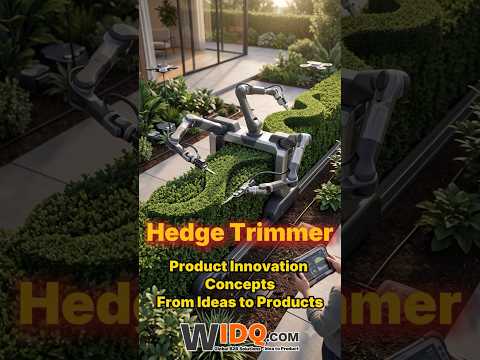
  • Die nächste Evolution der Heckenschere | WIDQ-Konzept
    Was wäre, wenn das Schneiden von Hecken keine Klinge mehr erfordern würde?
    • Biosynthetische Formung von lebenden Pflanzendächern
    • Elektrostatische, zerstörungsfreie Biegung
    • Photomorphe, wachstumslenkende Lichtebenen
    Eine neue Produktentwicklungschance zur Erforschung der nächsten Generation von Landschaftsbaugeräten.
    https://youtube.com/shorts/tec6HeNkOvE
    Wenn Sie interessiert sind, lassen Sie uns in Kontakt treten und diese innovativen Möglichkeiten gemeinsam erkunden!

    #WIDQ #Heckenschere #Produktinnovation #Produktdesign #Produktentwicklung #GewerblicherLandschaftsbau #Motorgeräte #Erstausrüster #Geschäftskunden #Fertigung #Agrartechnologie #Zukunftswerkzeuge
    Die nächste Evolution der Heckenschere | WIDQ-Konzept Was wäre, wenn das Schneiden von Hecken keine Klinge mehr erfordern würde? • Biosynthetische Formung von lebenden Pflanzendächern • Elektrostatische, zerstörungsfreie Biegung • Photomorphe, wachstumslenkende Lichtebenen Eine neue Produktentwicklungschance zur Erforschung der nächsten Generation von Landschaftsbaugeräten. https://youtube.com/shorts/tec6HeNkOvE Wenn Sie interessiert sind, lassen Sie uns in Kontakt treten und diese innovativen Möglichkeiten gemeinsam erkunden! #WIDQ #Heckenschere #Produktinnovation #Produktdesign #Produktentwicklung #GewerblicherLandschaftsbau #Motorgeräte #Erstausrüster #Geschäftskunden #Fertigung #Agrartechnologie #Zukunftswerkzeuge
    0 Comments 0 Shares 321 Views
  • Die nächste Stufe des Rasentrimmers | WIDQ-Konzept
    Was wäre, wenn ein Rasentrimmer mehr könnte, als nur Grashalme schneiden?
    • Dauerhafte Laser-Grenzen am Grundstücksrand
    • Unterirdische Wurzelbekämpfung
    • kabelgebundenes Kronenschneiden aus der Luft
    Entdecken Sie neue Wege für die Produktentwicklung und -iteration in der Rasenpflegetechnologie der nächsten Generation.
    https://youtube.com/shorts/q7XrYOJ1y2Q
    Interessiert? Lassen Sie uns vernetzen und gemeinsam Möglichkeiten erkunden!

    #WIDQ #Rasentrimmer #Produktinnovation #Produktdesign #Produktentwicklung #HardwareInnovation #RasenpflegeTech #B2B #Fertigung #OEM #Motorgeräte #Partnerschaft
    Die nächste Stufe des Rasentrimmers | WIDQ-Konzept Was wäre, wenn ein Rasentrimmer mehr könnte, als nur Grashalme schneiden? • Dauerhafte Laser-Grenzen am Grundstücksrand • Unterirdische Wurzelbekämpfung • kabelgebundenes Kronenschneiden aus der Luft Entdecken Sie neue Wege für die Produktentwicklung und -iteration in der Rasenpflegetechnologie der nächsten Generation. https://youtube.com/shorts/q7XrYOJ1y2Q Interessiert? Lassen Sie uns vernetzen und gemeinsam Möglichkeiten erkunden! #WIDQ #Rasentrimmer #Produktinnovation #Produktdesign #Produktentwicklung #HardwareInnovation #RasenpflegeTech #B2B #Fertigung #OEM #Motorgeräte #Partnerschaft
    0 Comments 0 Shares 338 Views
  • Die nächste Generation der Rasenmäher-Technologie | WIDQ-Konzept
    Was wäre, wenn ein Rasenmäher mehr könnte als nur Gras zu schneiden?
    • Den Boden während der Rasenpflege regenerieren
    • Unkraut entfernen und gleichzeitig neues Saatgut ausbringen
    • Wurzeln und Myzel durch gezielte Schallwellen stimulieren
    Diese zukunftsweisenden Konzepte eröffnen neue Möglichkeiten für Rasenpflege, Outdoor-Robotik und die Entwicklung von Produkten der nächsten Generation.
    https://youtube.com/shorts/VvyQJ5rYKz4
    Wenn Sie interessiert sind, lassen Sie uns vernetzen und gemeinsam neue Möglichkeiten entdecken!

    #WIDQ #Rasenmäher #Produktentwicklung #Produktdesign #Produktinnovation #OutdoorRobotik #Rasenpflege #Landschaftstechnologie #RobotikInnovation #B2B #Produktion
    Die nächste Generation der Rasenmäher-Technologie | WIDQ-Konzept Was wäre, wenn ein Rasenmäher mehr könnte als nur Gras zu schneiden? • Den Boden während der Rasenpflege regenerieren • Unkraut entfernen und gleichzeitig neues Saatgut ausbringen • Wurzeln und Myzel durch gezielte Schallwellen stimulieren Diese zukunftsweisenden Konzepte eröffnen neue Möglichkeiten für Rasenpflege, Outdoor-Robotik und die Entwicklung von Produkten der nächsten Generation. https://youtube.com/shorts/VvyQJ5rYKz4 Wenn Sie interessiert sind, lassen Sie uns vernetzen und gemeinsam neue Möglichkeiten entdecken! #WIDQ #Rasenmäher #Produktentwicklung #Produktdesign #Produktinnovation #OutdoorRobotik #Rasenpflege #Landschaftstechnologie #RobotikInnovation #B2B #Produktion
    0 Comments 0 Shares 427 Views
  • Die nächste Evolution der Gießkanne | WIDQ-Konzept
    Was wäre, wenn eine Gießkanne mehr könnte, als nur Wasser zu verteilen?
    • Mikroklima-Befeuchtung und Wurzelversorgung
    • Selbstregulierendes Feuchtigkeitsmanagement im Boden
    • Gewinnung von Feuchtigkeit aus der Luft
    Diese Konzepte eröffnen neue Wege für die Entwicklung von Gießkannen der nächsten Generation – von Zimmerpflanzen bis hin zu autarken Anwendungen.
    https://youtube.com/shorts/4oV5lipOr0w
    Interesse? Lassen Sie uns vernetzen und gemeinsam neue Möglichkeiten erkunden!

    #WIDQ #Gießkanne #Produktinnovation #Produktdesign #Produktentwicklung #Gartenbau #Pflanzenpflege #SmartGardening #NachhaltigesDesign
    Die nächste Evolution der Gießkanne | WIDQ-Konzept Was wäre, wenn eine Gießkanne mehr könnte, als nur Wasser zu verteilen? • Mikroklima-Befeuchtung und Wurzelversorgung • Selbstregulierendes Feuchtigkeitsmanagement im Boden • Gewinnung von Feuchtigkeit aus der Luft Diese Konzepte eröffnen neue Wege für die Entwicklung von Gießkannen der nächsten Generation – von Zimmerpflanzen bis hin zu autarken Anwendungen. https://youtube.com/shorts/4oV5lipOr0w Interesse? Lassen Sie uns vernetzen und gemeinsam neue Möglichkeiten erkunden! #WIDQ #Gießkanne #Produktinnovation #Produktdesign #Produktentwicklung #Gartenbau #Pflanzenpflege #SmartGardening #NachhaltigesDesign
    0 Comments 0 Shares 408 Views
  • Die nächste Evolution der Mini-Projektoren | WIDQ-Konzept
    Was wäre, wenn ein Mini-Projektor mehr könnte als nur Videos wiederzugeben?
    • Räumliche Ambient-Beacons
    • Tragbare HUDs für die Outdoor-Navigation
    • Interaktive Lichtführungen für die Gestaltung von 3D-Formen
    Diese Konzepte denken Mini-Projektoren neu – als Plattformen für Spatial Computing, die neue Anwendungen und Produktchancen jenseits klassischer Bildschirme eröffnen.
    https://youtube.com/shorts/hTHoZj3ZjpY
    Entdecken wir die nächsten Möglichkeiten der Projektionstechnologie.

    #WIDQ #MiniProjektor #Produktinnovation #Produktdesign #Projektionstechnologie #OEM #ODM #SpatialComputing #HardwareInnovation #Zukunftstechnologie
    Die nächste Evolution der Mini-Projektoren | WIDQ-Konzept Was wäre, wenn ein Mini-Projektor mehr könnte als nur Videos wiederzugeben? • Räumliche Ambient-Beacons • Tragbare HUDs für die Outdoor-Navigation • Interaktive Lichtführungen für die Gestaltung von 3D-Formen Diese Konzepte denken Mini-Projektoren neu – als Plattformen für Spatial Computing, die neue Anwendungen und Produktchancen jenseits klassischer Bildschirme eröffnen. https://youtube.com/shorts/hTHoZj3ZjpY Entdecken wir die nächsten Möglichkeiten der Projektionstechnologie. #WIDQ #MiniProjektor #Produktinnovation #Produktdesign #Projektionstechnologie #OEM #ODM #SpatialComputing #HardwareInnovation #Zukunftstechnologie
    0 Comments 0 Shares 453 Views
More Results
Sponsored